Polyamory and Race: Navigating ENM as a Person of Color
By PolyVous Editorial Team — Published June 3, 2026 — 9 min read
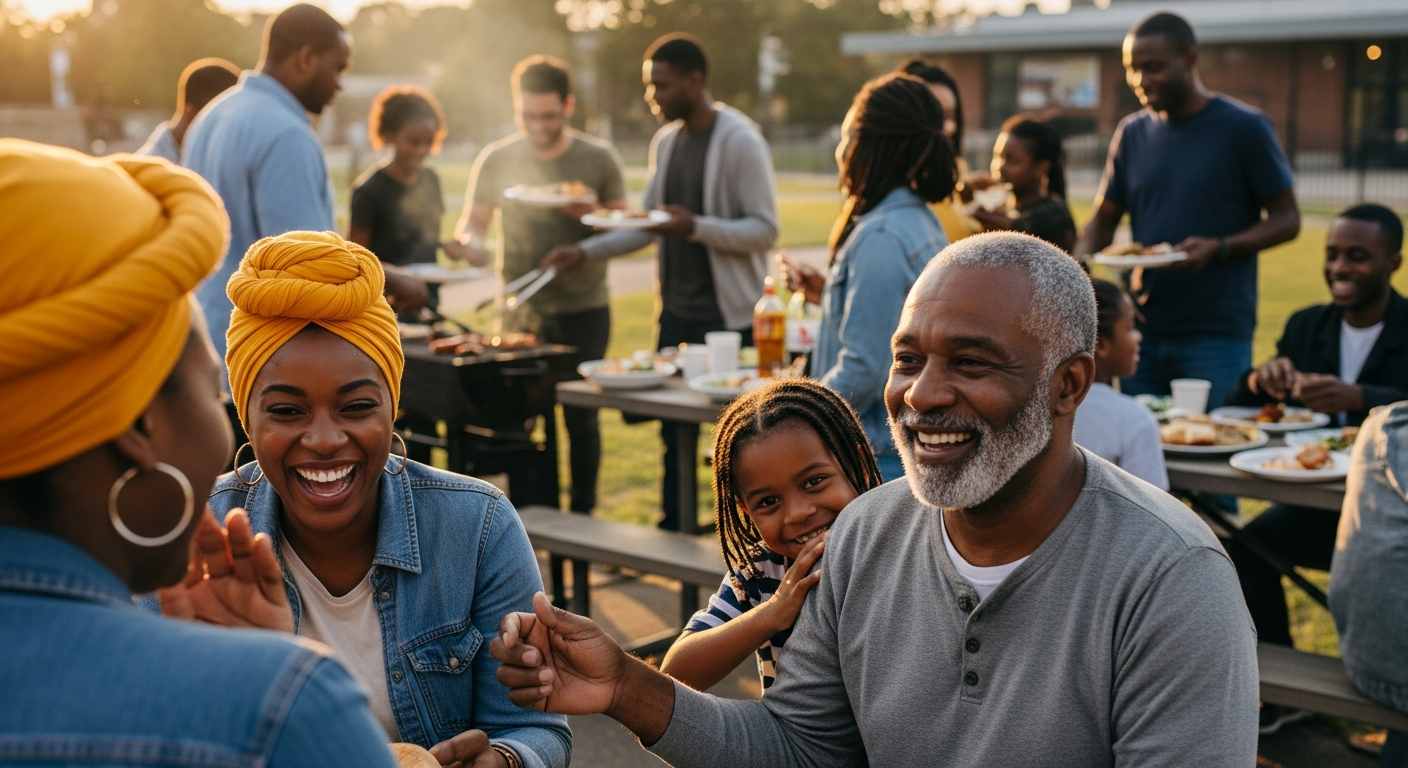
The intersection of racial identity and polyamory is underexplored but deeply important. People of color in ENM spaces navigate unique challenges — and bring unique strengths and traditions to how they love. Here's an honest look at race and polyamory.
The Racial Dimension of ENM Is Real and Worth Naming
Polyamory is practiced by people across every racial and ethnic background. And yet the ENM community, like many subcultures, has historically had problems with racial diversity — in its visible representation, its community spaces, its written resources, and its unspoken norms.
For people of color navigating ethical non-monogamy, this context matters. The specific experiences of Black, Latinx, Asian, Indigenous, and other POC practitioners in ENM spaces are distinct from white practitioners' experiences — and those distinctions deserve honest, careful attention rather than the silence that often surrounds them.
Challenges POC Navigate in ENM Spaces
Fetishization and Racialized Desire
One of the most consistently reported challenges for people of color in ENM dating is racialized fetishization — being sought out for racial identity rather than for who you actually are as a person.
This manifests as:
- Messages that lead with racial attraction rather than personal interest
- Being described as someone's "type" in ways that reduce you to racial characteristics
- Discovering you're part of a pattern of someone exclusively or primarily seeking partners of your racial background
Fetishization is dehumanizing, regardless of whether it's framed as a compliment. You deserve to be wanted as a specific human being, not as a racial category.
Lack of Representation in ENM Spaces and Resources
Historically, much of the polyamory literature, conference circuit, and online community representation has been predominantly white. This creates:
- A sense of not quite belonging in ENM spaces
- Resources and examples that don't reflect your experience
- Norms and relationship frameworks that may not translate across cultural contexts
This has been improving — with more writers, community leaders, and resources centering POC ENM experiences — but the historical gap is worth acknowledging.
Double Visibility and Stigma
People of color who are both ENM and out face an additional layer of visibility that white practitioners don't. In communities — particularly those with strong religious or cultural norms around relationship structure — being openly polyamorous as a POC can carry specific social costs.
Cultural Traditions That Align With Non-Monogamous Values
Historically and anthropologically, non-monogamous relationship practices are far from rare in non-Western cultures and communities:
African and African-American traditions of extended kinship, communal child-rearing, and chosen family networks have deep resonances with polyamory's emphasis on expanded relationship networks. The concept of "it takes a village" is, in many ways, already relational abundance.
Indigenous traditions across many nations have included diverse relationship structures and family configurations that European colonization suppressed or criminalized — but that persist in cultural memory and practice.
Latinx extended family and compadrazgo networks reflect a relational worldview that emphasizes community, mutual obligation, and care across a wider network than the nuclear family unit.
These traditions don't map identically onto contemporary polyamory — but they offer genuine resonance for people from these backgrounds exploring ENM.
Finding ENM Community as a Person of Color
Polyamory community spaces designed specifically for POC have grown significantly, both online and in-person. PolyVous was designed with the diversity of the ENM community explicitly in mind — including in its imagery, its content, and its community values.
"The first polyamory space I encountered was almost entirely white. It took me time to find the Black and Brown ENM community that actually felt like mine. Finding it changed everything." — PolyVous community member
What Allies in ENM Spaces Can Do
If you're a white practitioner reading this:
- Examine racialized patterns in your desire and dating behavior — not as an accusation, but as honest self-reflection
- Use your voice in ENM spaces to name and challenge fetishization when you see it
- Support and amplify POC voices in community spaces and resources
- Listen to POC practitioners' experiences without defensiveness
PolyVous is committed to being a platform that genuinely serves its full community — including the Black, Brown, and other POC members who bring rich and distinctive experiences to ethical non-monogamy.
Join PolyVous — a community that sees you fully.