Polyamory and Traditional Values: Can ENM Coexist With Conservative Backgrounds?
By PolyVous Editorial Team — Published June 28, 2026 — 8 min read
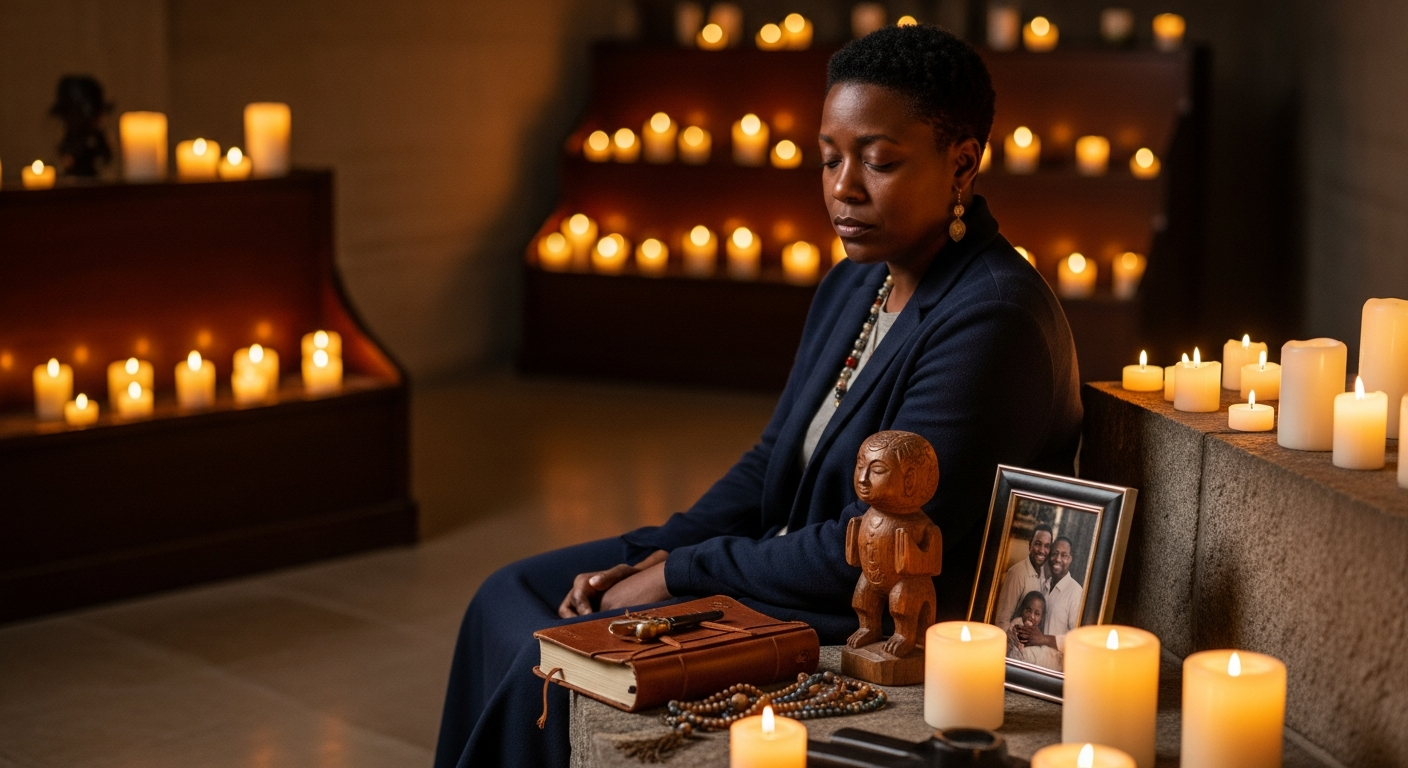
Many polyamorous people come from traditional, conservative, or religious backgrounds — and navigate significant tension between those roots and their current relationship practice. Here's an honest look at how people navigate this intersection.
A More Common Intersection Than It Appears
One of the persistent misconceptions about polyamory is that it's primarily the domain of secular, liberal, urban, or countercultural people. The actual ENM community is far more diverse — including many people from traditional, conservative, or religious backgrounds who've arrived at polyamory through deeply personal journeys.
For these practitioners, the relationship between their ENM practice and their background is often complex, non-linear, and deeply personal. This guide acknowledges that complexity honestly.
The Specific Tension
People from traditional backgrounds who practice polyamory often navigate tension between:
Values that feel genuinely held — commitment, family loyalty, honesty, care for others, spiritual life — and the ENM practice they've chosen or discovered in themselves.
Community norms that conflict with their relationship structure — families, religious communities, and social networks that may not accept or understand polyamory.
Identity coherence questions — the experience of holding parts of themselves that seem not to fit together, and the work of integrating them into a whole person.
This tension is real and deserves honest acknowledgment rather than dismissal in either direction.
What People From Traditional Backgrounds Often Find
Polyamory Can Express Conservative Values
Many people from traditional backgrounds find that their ENM practice actually expresses values they hold deeply:
Honesty as a primary value — polyamory's ethical foundation is built on radical transparency. For people whose tradition prizes honesty, ENM can feel more aligned with their core values than the hidden sexual dissatisfaction or suppressed needs of forced monogamy.
Genuine commitment — many polyamorous people are among the most committed practitioners of intentional relationship in their communities. The seriousness with which ENM practitioners approach agreements, communication, and long-term care for multiple people can be deeply "family values" aligned.
Community and chosen family — traditional cultures have always prized extended family and community. Polyamorous chosen family structures may resonate with traditional values around community care more than the isolated nuclear family model often associated with conservative norms.
The Parts That Don't Fit
Honestly, some aspects of ENM do conflict with some traditional values frameworks — particularly around sexual exclusivity, legal marriage, and family structure.
For people holding both their traditional background and their ENM practice, this conflict is real. It doesn't resolve into a simple answer. It requires:
- Honest, personal discernment about which values you hold as genuinely yours vs. inherited obligation
- Willingness to hold tension rather than forcing premature resolution
- Community where both the traditional roots and the ENM practice are known and accepted
Finding Balance Without Erasure
The most helpful approach for people navigating this intersection isn't to erase either side — to pretend the traditional background doesn't exist, or to pretend the ENM practice doesn't exist.
It's to do the genuine work of understanding what you actually believe, what you actually value, and what kind of life and relationships actually align with those beliefs — rather than what any external framework tells you you should believe.
This is fundamentally an act of personal integrity — even when it's difficult.
The PolyVous Community's Range
PolyVous members represent the full range of backgrounds from which ENM practitioners come — including people navigating traditional, religious, and conservative family contexts alongside their polyamorous lives. The platform holds that complexity without requiring it to be resolved before you belong.
"I'm a Black Baptist who's been polyamorous for six years. Both are true. Both matter. I've stopped trying to make them tidy and started letting them be honest." — PolyVous community member
Join PolyVous — bring all of who you are.