Practicing Polyamory Across Cultural Backgrounds: Identity, Family, and ENM
By PolyVous Editorial Team — Published August 18, 2026 — 8 min read
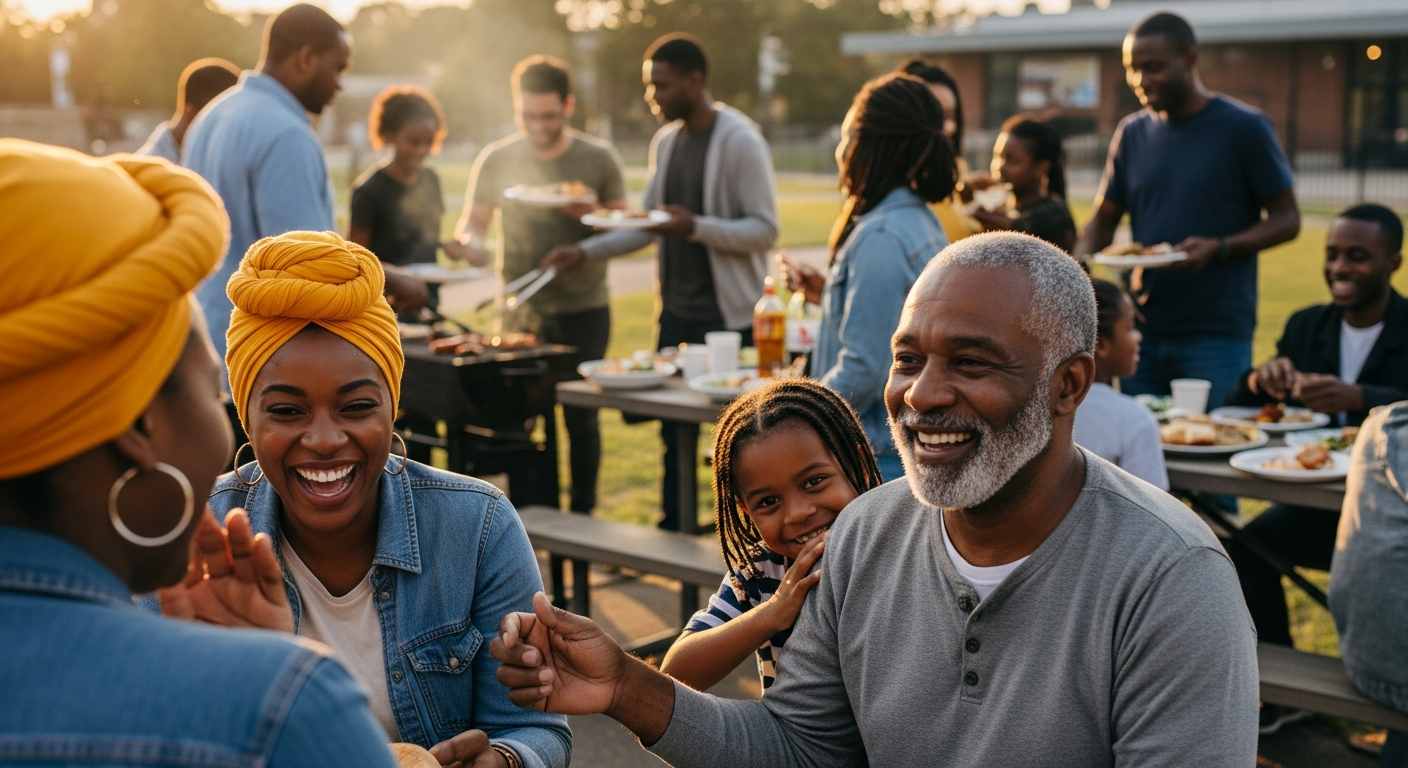
For many practitioners, polyamory exists in complex relationship with their cultural and ethnic identity — families with different relationship norms, communities where disclosure carries different risks, and the specific joy of finding ENM on your own terms.
Polyamory doesn't exist in a cultural vacuum. For every practitioner, it exists in the context of a specific cultural background — with its own relationship norms, family expectations, community values, and relationship to the idea of non-monogamy.
For many ENM practitioners from non-Western or non-dominant cultural backgrounds, this context adds specific layers to the experience: family expectations with deeper roots, communities where disclosure carries different stakes, histories that complicate the narrative of polyamory as simply "progressive," and the specific experience of navigating multiple identity frameworks simultaneously.
When Cultural Relationship Norms Are Deeply Different
Most cultures have explicit norms around relationships — not just "monogamy" as an abstract ideal, but specific practices: arranged or family-mediated partner selection, expectations about marriage timing, norms about sexual privacy within extended family and community networks, expectations about divorce.
For practitioners from backgrounds with these kinds of deeply specific relationship cultures, polyamory doesn't just diverge from "mainstream monogamy" — it diverges from a more particular cultural framework that carries significant weight.
This creates specific questions:
- How much does cultural identity feel like something to honor versus something to negotiate with on this specific issue?
- What does disclosure to family of origin actually risk — practically, emotionally, in terms of community standing?
- Are there dimensions of cultural relationship values that feel compatible with ENM (extended family investment, emphasis on community bonds, non-nuclear family structures) that haven't been fully explored?
The Non-Western Polyamory History
Western media often presents ENM as a new, progressive, predominantly white American cultural development. This narrative erases a significant historical record.
Multiple-partner family structures have existed across human cultures throughout recorded history — in various African kinship structures, in some Indigenous American traditions, in aspects of historical practice across multiple Asian religious contexts. The specific Western ENM framework being practiced in contemporary polyamory is a specific development — but the underlying human pattern of multiple meaningful intimate connections is universal.
For practitioners from non-Western backgrounds, claiming polyamory can sometimes feel like adopting a foreign cultural framework. But it can also feel like recovering something that the history of their own culture actually contains — filtered through the specific contemporary language and ethics of ENM.
Disclosure Risks and Cultural Context
Coming out as polyamorous carries different stakes in different cultural contexts. For some practitioners, the risks of family-of-origin disclosure involve genuine consequences: loss of family relationship, community ostracism, impacts on professional or community standing in cultures where family reputation operates differently than in mainstream Western individual-privacy cultures.
These aren't abstract considerations to be dismissed with "just live your truth." They're real, and they deserve real acknowledgment.
Practitioners navigating significant cultural disclosure risks often describe building their polyamorous lives in deliberate layers — a fully out private life with partners and close chosen community, a more private presentation in family-of-origin and cultural community contexts. This isn't dishonesty. It's a recognition that not every social context has earned access to every dimension of your life.
The Specific Gift of Polyamory Across Cultural Identity
Many ENM practitioners from diverse cultural backgrounds describe a specific gift in their experience: the process of consciously choosing relationship structures has required them to examine their cultural inheritance more carefully — to distinguish between values they genuinely hold and norms they've inherited unexamined.
The result is sometimes a more intentional relationship to cultural identity itself: a clearer sense of what aspects of cultural heritage are genuinely meaningful and worth preserving, versus what aspects were simply assumed.
PolyVous is a community that includes practitioners from across the full range of cultural backgrounds — and that diversity is one of its genuine strengths.
"My family's cultural framework doesn't have room for polyamory as I practice it. My relationship practice has required me to be honest about which parts of my inheritance I'm choosing and which parts I'm not. That's been its own kind of freedom." — PolyVous community member
PolyVous: A Community For Every Background
PolyVous is built for ENM practitioners across every cultural identity and background — a platform that recognizes the full complexity of who its members are.
Join PolyVous — and practice on your own terms.